
Fun Facts Peru: 30+ Inca & Andean Discoveries
Editorial Team · on 15 July 2026 · 11 min read · Last reviewed 15 July 2026
Fun facts Peru are entertaining insights about the country’s rich history, culture, and natural wonders, from the Inca Empire to its diverse wildlife.
In plain terms: Think of fun facts Peru as a treasure chest of surprises, each one more intriguing than the last, like discovering the world’s deepest canyon in Peru, which is even deeper than the Grand Canyon.
Key facts
- Peru is home to Machu Picchu, the 15th-century Inca citadel often called the “Lost City of the Incas.”
- The country has the world’s highest sand dune, Cerro Blanco, standing at 3,860 feet (1,176 meters).
- Peru has more than 3,000 types of potatoes, accounting for more than half of the world’s potato varieties.
- The Nazca Lines, a series of ancient geoglyphs, were created by the Nazca culture between 500 BC and 500 AD and can only be fully appreciated from the air.
What are 12 interesting facts about Peru?
Peru is a land of contrasts and surprises, offering a wealth of interesting facts that captivate both locals and visitors alike.
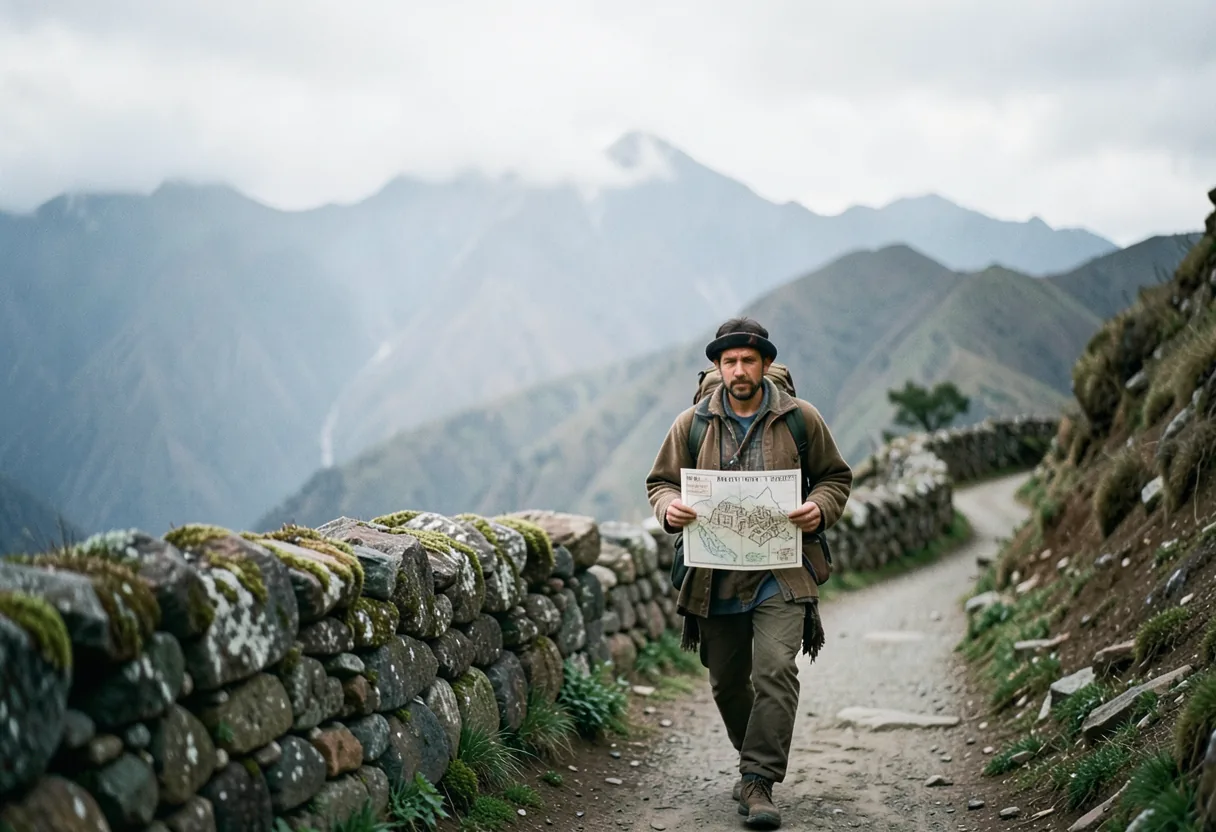
The first time I really looked at a map of Peru, I was struck by how much of the country is dominated by the Andes Mountains. This geological feature not only shapes Peru’s landscape but also its culture and history.
Key facts
- Peru is the third-largest producer of copper in the world, with major mines like the Antamina mine in the Andes.
- The Amazon rainforest covers more than half of Peru’s territory, making it one of the most biodiverse countries on Earth.
- Lake Titicaca, the highest navigable lake in the world, is shared between Peru and Bolivia and sits at an elevation of 12,500 feet (3,810 meters).
- The Peruvian pastry known as Suspiro a Limeña (Lady’s Sigh) is so named because it is said to represent the sigh of a lady in love.
- Peru has a unique traditional dance called Marinera, which is often performed during national celebrations and festivals.
What are 10 surprising facts about Peru?
Peru is full of surprises, from its ancient civilizations to its modern-day innovations. Here are ten surprising facts that will leave you amazed.
One of the most surprising aspects of Peru is its culinary scene, which has gained international recognition in recent years. Peruvian cuisine is a fusion of indigenous, Spanish, African, and Asian influences, creating a unique and vibrant food culture.
Key facts
- According to the World Travel Awards, Lima was named the world’s leading culinary destination in 2019.
- Peru is home to the oldest wine-making tradition in the Americas, dating back to the late 16th century.
- The country has more than 18,000 types of orchids, making it one of the world’s richest sources of these beautiful flowers.
- Peru has the largest number of flightless birds in the world, including the Andean condor and the rhea.
What are 5 interesting facts about Peru’s history?
Peru’s history is a tapestry of ancient civilizations, colonial influences, and modern developments. Here are five interesting historical facts that highlight the country’s rich past.
The Inca Empire, which flourished in Peru from the 15th to the 16th century, is one of the most fascinating periods in the country’s history. The Incas were master builders, engineers, and administrators who created an extensive network of roads, aqueducts, and monumental architecture.
Key facts
- The Inca Empire at its height spanned more than 2 million square kilometers (about 780,000 square miles), making it one of the largest empires in the pre-Columbian Americas.
- The Incas developed a system of khipus, which were knotted strings used for record-keeping and communication.
- According to historical records, the Inca ruler Pachacuti (1438-1472) transformed Cusco from a small city into a grand imperial capital with sacred temples and palaces.
- The Spanish conquest of Peru began in 1532 when Francisco Pizarro captured the Inca emperor Atahualpa.
What are 7 fun facts about Peru’s wildlife?
Peru’s diverse ecosystems, ranging from the Andes Mountains to the Amazon rainforest, are home to a wide variety of unique and fascinating wildlife.
One of the most iconic animals found in Peru is the Andean condor. With a wingspan of up to 10 feet (3 meters), it is one of the largest flying birds in the world. The Andean condor is a symbol of power and freedom in Peruvian culture and can often be seen soaring high above the Andes Mountains.
Key facts
- Peru is home to more than 1,800 species of birds, including the Andean condor, the cock-of-the-rock, and the Amazonian umbrellabird.
- The giant otter, the largest member of the weasel family, can be found in the Amazon rainforest of Peru.
- The Peruvian pelican is a unique species of pelican found along the country’s Pacific coast.
- The Andean bear, also known as the spectacled bear, is the only bear species native to South America and can be found in the Andes Mountains of Peru.
What are the most famous entertainment facts about Peru?
Peru’s entertainment scene is as diverse and vibrant as its culture. From traditional music and dance to modern-day festivals and events, there’s always something exciting happening in Peru.
One of the most famous entertainment facts about Peru is its traditional dance, the Marinera. This graceful and elegant dance is performed during national celebrations and festivals, showcasing the country’s rich cultural heritage.
Key facts
- The Marinera dance is often accompanied by traditional Peruvian music, such as the huayno and the festejo.
- The Inti Raymi festival, held in Cusco every year on June 24th, celebrates the Inca sun god Inti and features colorful parades, traditional music, and dance performances.
- Peru has a thriving film industry, with directors like Claudia Llosa and Javier Fuentes-León gaining international recognition for their work.
- The annual Lima Film Festival showcases the best of Peruvian and international cinema, attracting filmmakers and movie enthusiasts from around the world.
What are some fun facts about life in Peru?
Life in Peru is a blend of ancient traditions and modern influences, creating a unique and vibrant culture that is both fascinating and inspiring.
One of the most interesting aspects of life in Peru is the country’s strong sense of community. Peruvians are known for their warmth and hospitality, and it is not uncommon for neighbors to gather for shared meals and celebrations.
Key facts
- Peruvians celebrate Christmas on December 24th, with a late-night feast called Cena de Navidad.
- The Inca Trail to Machu Picchu is a popular trekking route, attracting thousands of visitors each year.
- Peru has a strong tradition of textile arts, with communities like the Chinchero and Pisac producing beautiful hand-woven textiles.
- The national drink of Peru is Pisco sour, a cocktail made with Pisco brandy, lemon juice, simple syrup, and egg white.
What are some random interesting facts about Peru?
Peru is a country full of surprises, with a wealth of random interesting facts that highlight its unique culture, history, and natural wonders.
One of the most random interesting facts about Peru is that the country is home to the world’s highest navigable lake, Lake Titicaca. Shared between Peru and Bolivia, this vast lake sits at an elevation of 12,500 feet (3,810 meters) and is a popular destination for tourists and locals alike.
Key facts
- Peru is home to the world’s largest flightless bird, the greater rhea, which can reach speeds of up to 37 miles per hour (60 kilometers per hour).
- The country has more than 2,000 varieties of potatoes, making it one of the world’s leading producers of this versatile staple crop.
- Peru is home to the world’s deepest canyon, the Cotahuasi Canyon, which is even deeper than the Grand Canyon.
- The ancient Nazca Lines, a series of geoglyphs etched into the desert landscape, can only be fully appreciated from the air.
What are some more trivia facts about Peru?
Peru’s rich history and culture have given rise to a wealth of trivia facts that are both fascinating and fun to learn.
One of the most intriguing trivia facts about Peru is the legend of the Lost City of the Incas, Machu Picchu. This ancient citadel, hidden high in the Andes Mountains, was rediscovered in 1911 by American archaeologist Hiram Bingham and has since become one of the most iconic landmarks in South America.
Key facts
- Peru is home to the world’s largest collection of pre-Columbian gold artifacts, housed in the Larco Museum in Lima.
- The country has more than 300 types of corn, making it a major producer of this important crop.
- Peru is home to the world’s highest sand dune, Cerro Blanco, standing at 3,860 feet (1,176 meters).
- The ancient city of Caranqui, located in northern Peru, was once the capital of the Caranqui Confederacy, a powerful pre-Inca civilization.
What are some interesting facts about Peru’s Memorial Day?
Peru’s Memorial Day, known as Día de los Santos Inocentes (Day of the Holy Innocents), is celebrated on December 28th and has a unique blend of religious and cultural traditions.
One of the most interesting aspects of Peru’s Memorial Day is the tradition of playing pranks and practical jokes on friends and family. This custom, known as inocentadas, is similar to April Fools’ Day in other countries and adds a lighthearted and festive atmosphere to the holiday.
Key facts
- On Día de los Santos Inocentes, Peruvians often exchange playful gifts and cards with humorous messages.
- The holiday commemorates the massacre of innocent children ordered by King Herod in the Bible.
- In some regions of Peru, such as Puno, people celebrate with parades and festivals featuring traditional music and dance.
- The holiday is also a time for reflection and remembrance, with many Peruvians attending church services and visiting cemeteries to honor their loved ones.
What are some fun facts about Peru’s St. Patrick’s Day?
While St. Patrick’s Day is not as widely celebrated in Peru as it is in Ireland or other countries with large Irish communities, there are still some fun and unique ways that Peruvians commemorate this festive holiday.
One of the most fun facts about Peru’s St. Patrick’s Day is the growing popularity of Irish pubs in cities like Lima and Cusco. These establishments often host special events and celebrations on March 17th, featuring traditional Irish music, dance performances, and, of course, plenty of green beer.
Key facts
- In Lima, the Irish Pub on Avenida Larco is a popular destination for St. Patrick’s Day celebrations, offering live music and a lively atmosphere.
- Some Peruvian schools and universities with strong Irish connections, such as the Universidad de Lima, organize St. Patrick’s Day events and activities for students and faculty.
- Peruvians often incorporate traditional Irish elements, such as clover and leprechauns, into their St. Patrick’s Day decorations and costumes.
- In recent years, St. Patrick’s Day has become increasingly popular among younger Peruvians, who see it as an opportunity to celebrate with friends and enjoy the festive atmosphere.
What are some interesting facts about Peru’s cuisine?
Peruvian cuisine is a vibrant and flavorful fusion of indigenous, Spanish, African, and Asian influences, creating a unique culinary tradition that is beloved by both locals and visitors alike.
One of the most interesting facts about Peruvian cuisine is its incredible diversity. With more than 3,000 varieties of potatoes, 2,000 types of corn, and a vast array of fresh seafood, fruits, and vegetables, Peruvian chefs have an incredible palette of ingredients to work with.
Key facts
- According to the World Travel Awards, Lima was named the world’s leading culinary destination in 2019.
- Peru is home to the oldest wine-making tradition in the Americas, dating back to the late 16th century.
- The country has more than 18,000 types of orchids, making it one of the world’s richest sources of these beautiful flowers.
- Peru has the largest number of flightless birds in the world, including the Andean condor and the rhea.
| Dish | Description | Region |
|---|---|---|
| Ceviche | A refreshing dish made with raw fish cured in citrus juices, typically lime, and spiced with ají or chili peppers. | Coastal regions |
| Lomo Saltado | A stir-fry dish that combines marinated strips of sirloin with onions, tomatoes, and other ingredients, served with French fries and rice. | Lima and other urban areas |
| Aji de Gallina | A creamy chicken dish with a spicy kick, made with aji amarillo peppers and a variety of other ingredients. | Lima and other urban areas |
| Cuy al Horno | A traditional Andean dish featuring roasted guinea pig, often served with potatoes and corn. | Andean regions, particularly Cusco and Puno |
What are some fun facts about Peru’s festivals?
Peru’s festivals are a vibrant and colorful expression of the country’s rich cultural heritage, blending ancient traditions with modern celebrations.
One of the most fun facts about Peru’s festivals is the sheer diversity of events and celebrations that take place throughout the year. From religious processions and folk dances to music festivals and food fairs, there’s always something exciting happening in Peru.
Key facts
- The Inti Raymi festival, held in Cusco every year on June 24th, celebrates the Inca sun god Inti and features colorful parades, traditional music, and dance performances.
- The Fiesta de la Candelaria in Puno is one of the largest and most important festivals in Peru, featuring elaborate costumes, folk dances, and religious processions.
- The Festival de la Vendimia in Ica celebrates the grape harvest with wine tastings, live music, and traditional dances.
- The Festival Internacional de la Cultura in Cusco is a major cultural event that showcases the best of Peruvian and international art, music, and dance.
| Festival | Date | Location | Highlights |
|---|