
Fun Facts Venezuela: 20+ Natural & Cultural Facts
Editorial Team · on 15 July 2026 · 11 min read · Last reviewed 15 July 2026
Fun facts Venezuela are entertaining tidbits that highlight the country’s rich cultural heritage, stunning natural landscapes, and unique traditions, offering fascinating insights into life in this South American nation.
In plain terms: Think of Venezuela as a vibrant carnival, where every dance step reveals a new story, every color in the landscape holds a secret, and every festival offers a surprise.
Key facts
- Venezuela is home to the world’s highest waterfall, Angel Falls, which drops 979 meters (3,212 feet).
- The country has the largest oil reserves on the planet, according to the U.S. Energy Information Administration.
- Venezuela’s national animal is the giant anteater, which can eat up to 30,000 ants in a single day.
- The traditional Venezuelan dish, pabellón criollo, consists of shredded beef, black beans, rice, plantains, and cheese.
What are 12 interesting facts about Venezuela?
Venezuela has 12 standout facts that showcase its unique blend of natural wonders, cultural richness, and historical significance.
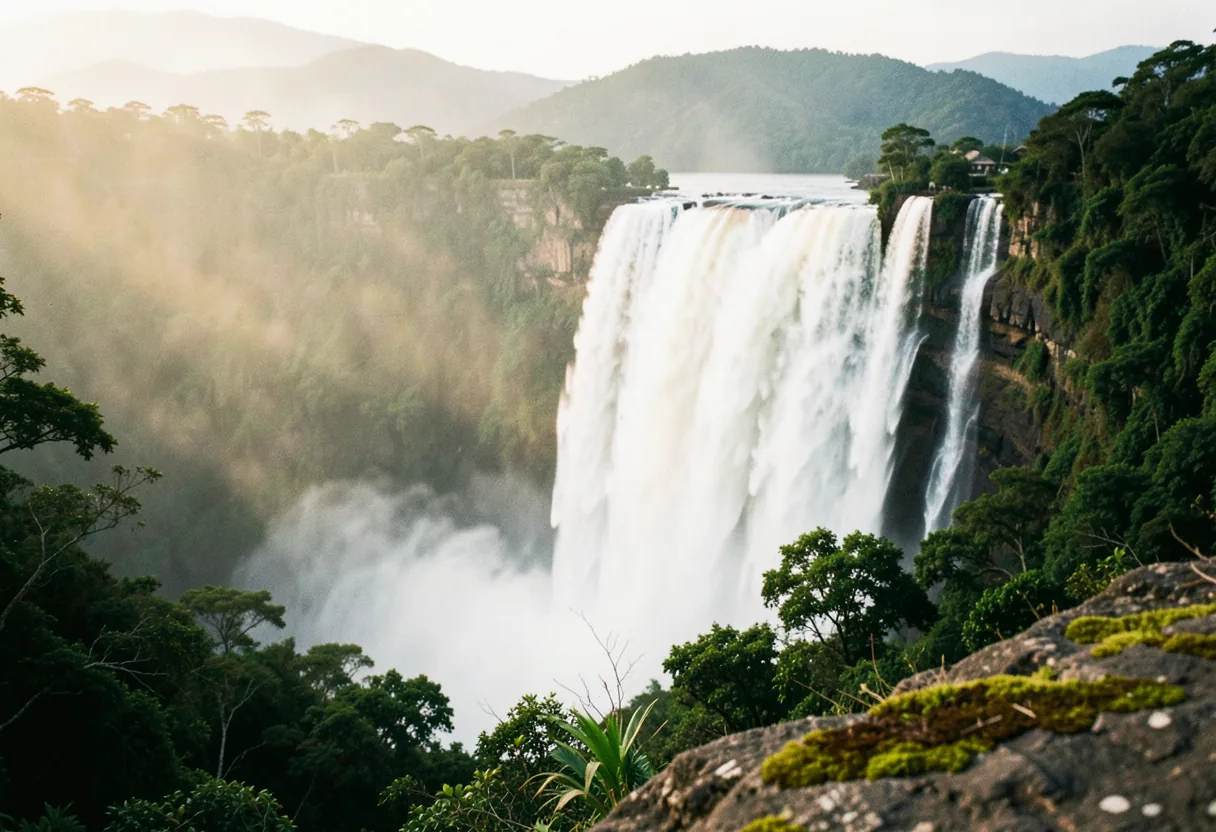
The first time I really looked at Venezuela’s geography, I was struck by the sheer scale of Angel Falls. This natural marvel, located in Canaima National Park, is nearly 19 times taller than Niagara Falls. The falls were named after Jimmy Angel, a U.S. aviator who crash-landed near them in 1937.
Venezuela’s biodiversity is equally impressive. The country is home to over 1,400 bird species, making it one of the most avian-rich nations in the world. The yellow-oranged hooded merganser, for instance, is a striking example of Venezuela’s avian diversity.
Culturally, Venezuela is known for its vibrant music scene. The country is the birthplace of the popular music genre, joropo, which blends African, Indigenous, and Spanish influences. The arpa llana, a type of harp, is a key instrument in joropo music.
Historically, Venezuela played a crucial role in South American independence. Simón Bolívar, known as “The Liberator,” led Venezuela and several other countries to independence from Spanish rule in the early 19th century.
Venezuela’s capital, Caracas, is one of the highest capital cities in the world, situated at an elevation of 900 meters (2,953 feet) above sea level. The city is nestled in a valley surrounded by mountains, offering stunning views and a unique urban landscape.
What are 10 surprising facts about Venezuela?
Venezuela has 10 surprising facts that highlight its unique characteristics and contributions to the world.
One surprising fact is that Venezuela was the first South American country to drill for oil. The country’s first oil well, Zumaque I, was drilled in the state of Zulia in 1914. This event marked the beginning of Venezuela’s significant role in the global oil industry.
Venezuela is also home to the world’s second-largest river by discharge volume, the Orinoco River. The Orinoco Basin covers about 950,000 square kilometers (366,800 square miles) and is rich in biodiversity.
In the world of sports, Venezuela has made a name for itself in baseball. The country has produced numerous Major League Baseball players, including David Concepción and Omar Vizquel. Baseball is so popular in Venezuela that it is considered the national sport.
Venezuela’s Lake Maracaibo is known for its unique natural phenomenon called “Catatumbo lightning.” This area experiences an average of 28 lightning strikes per hour, 140 to 160 nights a year, earning it the nickname “Beacon of Maracaibo.”
The country is also famous for its chocolate. Venezuela produces some of the world’s finest cocoa beans, particularly the Criollo variety. These beans are prized for their rich flavor and aromatic qualities.
What are 5 interesting facts about Venezuela’s entertainment?
Venezuela has 5 standout entertainment facts that reflect its vibrant cultural scene.
The Venezuelan film industry has gained international recognition in recent years. Films like “Postales de Leningrado” (2007) and “Libertador” (2013) have received critical acclaim and awards at various film festivals.
Venezuela’s television industry is also notable. The country is the birthplace of the popular telenovela genre, which has captivated audiences worldwide. Telenovelas like “Catalina” and “Cristal” have been broadcast in numerous countries.
The country has a thriving theater scene, with Caracas hosting several renowned theaters, such as the Teresa Carreño Cultural Complex. This complex is named after the famous Venezuelan pianist and composer Teresa Carreño.
Venezuela’s carnival celebrations are among the most vibrant in the world. The Carnival of El Callao, held annually in the state of Bolívar, features colorful parades, traditional music, and elaborate costumes.
In the world of literature, Venezuela has produced notable writers like Rómulo Gallegos and Arturo Uslar Pietri. Gallegos’ novel “Doña Bárbara” is considered a classic of Latin American literature.
What are 7 fun facts about Venezuela’s natural wonders?
Venezuela has 7 fun natural facts that highlight its breathtaking landscapes and unique ecosystems.
Venezuela’s Canaima National Park is a UNESCO World Heritage site and home to Angel Falls. The park’s unique tepui formations, table-top mountains, are some of the oldest geological formations on Earth.
The country’s Los Roques archipelago is known for its pristine beaches and crystal-clear waters. The archipelago consists of about 350 islands and cays, offering a paradise for divers and snorkelers.
Venezuela’s Morrocoy National Park is famous for its mangrove forests and coral reefs. The park is home to several species of sea turtles, including the endangered hawksbill turtle.
The Andes Mountains in Venezuela are home to the Sierra Nevada National Park. This park is known for its high-altitude lagoons and diverse wildlife, including the Andean condor.
Venezuela’s Orinoco Delta is the second-largest delta in South America. The delta is a maze of waterways, mangrove forests, and wetlands, providing a habitat for a wide range of species.
The country’s Henri Pittier National Park is one of the oldest national parks in Venezuela. The park is known for its cloud forests, waterfalls, and diverse birdlife.
The unique phenomenon of the Catatumbo lightning in Lake Maracaibo is not only a natural wonder but also a subject of scientific study. The lightning is caused by the unique topography and weather conditions of the region.
What are some funny entertainment facts about Venezuela?
Venezuela has several funny entertainment facts that add a touch of humor to its cultural scene.
One funny fact is that Venezuelans have a unique way of celebrating April Fools’ Day. On this day, it’s common for people to play pranks on each other, such as telling outrageous stories or placing fake parking tickets on cars.
The country is also known for its love of beauty pageants. Venezuela has won the Miss Universe title seven times, more than any other country. The country’s beauty pageants are a source of national pride and entertainment.
Venezuela’s love for baseball has led to some humorous situations. For example, during a game between the Venezuelan and Dominican teams, a fan once ran onto the field to hug a player, causing a brief halt in the game.
The country’s carnival celebrations are not only vibrant but also full of humor. During the Carnival of El Callao, participants often dress up in outrageous costumes and engage in playful banter.
Venezuela’s television industry has produced some memorable comedies. One such show is “La Queda del Águila,” which features a group of friends navigating the ups and downs of life in Caracas.
What are some interesting facts for adults about Venezuela?
Venezuela has several interesting facts for adults that offer a deeper understanding of the country’s culture and history.
One interesting fact is that Venezuela is home to the world’s largest natural reservoir of fresh water, the Guiana Highlands. This region is known for its unique tepui formations and diverse ecosystems.
The country’s coffee industry is also notable. Venezuelan coffee, particularly from the states of Mérida and Táchira, is known for its rich flavor and high quality. Coffee lovers can enjoy a cup of Venezuelan coffee at various local cafes.
Venezuela’s wine industry is gaining recognition. The country produces a variety of wines, including red, white, and rosé, using grapes grown in the Andean region. Wine enthusiasts can visit vineyards in the states of Mérida and Trujillo.
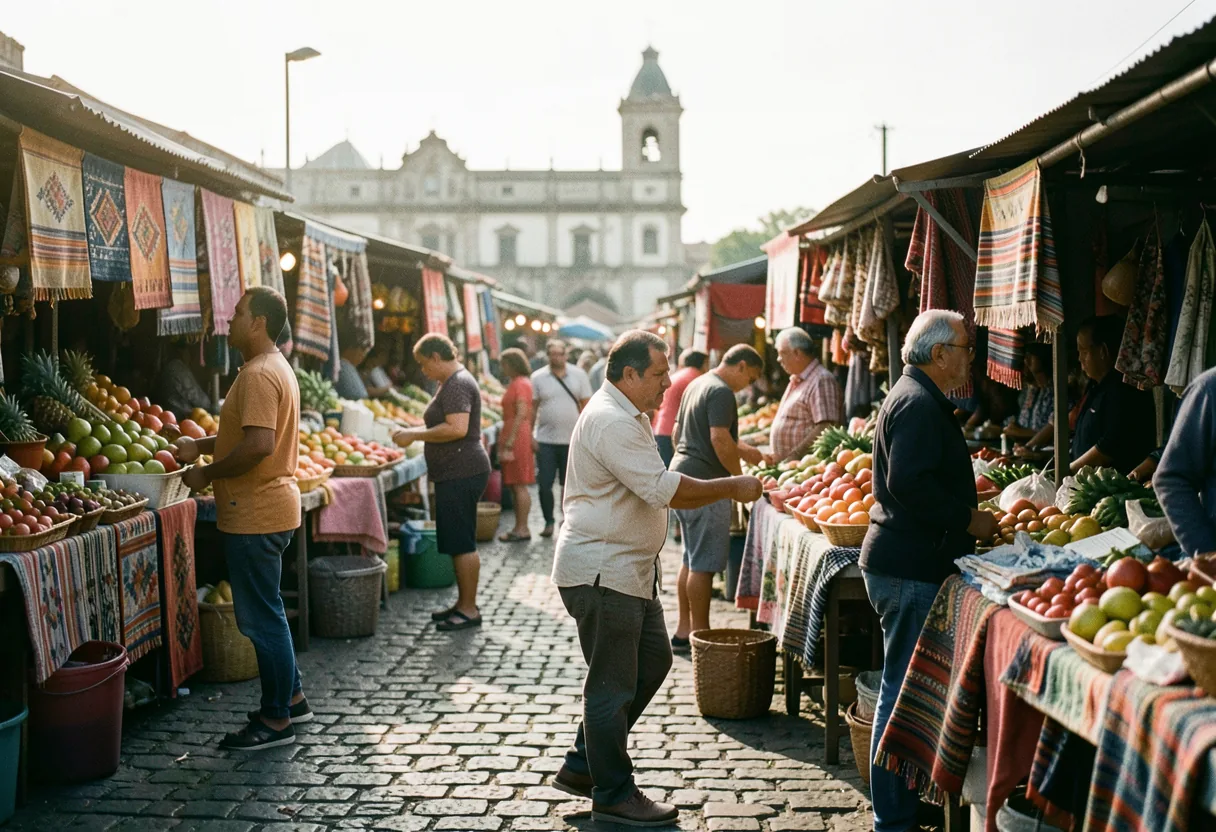
The country’s handicrafts are a source of national pride. Venezuelan artisans create beautiful pottery, textiles, and jewelry, often using traditional techniques passed down through generations. Visitors can find these handicrafts at local markets and shops.
Venezuela’s music scene is diverse and vibrant. In addition to joropo, the country is known for other music genres, such as salsa, merengue, and reggaeton. Music lovers can enjoy live performances at various venues in Caracas and other cities.
What are some interesting facts for kids about Venezuela?
Venezuela has several interesting facts for kids that make learning about the country fun and engaging.
One fun fact is that Venezuela is home to the world’s largest rodent, the capybara. These gentle giants can weigh up to 60 kilograms (132 pounds) and are often found near rivers and lakes.
The country’s chocolate industry is also fascinating for kids. Venezuelan cocoa beans are used to make some of the world’s finest chocolate. Kids can learn about the chocolate-making process and even try making their own chocolate at home.
Venezuela’s carnival celebrations are a great way for kids to experience the country’s vibrant culture. During the Carnival of El Callao, children can participate in parades, enjoy traditional music, and dress up in colorful costumes.
The country’s national parks offer plenty of opportunities for kids to explore and learn about nature. For example, at Henri Pittier National Park, kids can go on guided hikes, spot wildlife, and learn about the park’s unique ecosystems.
Venezuela’s love for baseball is contagious. Kids can learn about the sport and even try playing it at local parks and sports facilities. The country’s passion for baseball is evident in the number of Venezuelan players in Major League Baseball.
What are some random interesting facts about Venezuela?
Venezuela has several random interesting facts that offer a glimpse into the country’s unique characteristics.
One random fact is that Venezuela is home to the world’s largest natural reservoir of oil. The country’s oil reserves are estimated to be around 300 billion barrels, making it a key player in the global oil industry.
The country’s coffee industry is also notable. Venezuelan coffee, particularly from the states of Mérida and Táchira, is known for its rich flavor and high quality. Coffee lovers can enjoy a cup of Venezuelan coffee at various local cafes.
Venezuela’s wine industry is gaining recognition. The country produces a variety of wines, including red, white, and rosé, using grapes grown in the Andean region. Wine enthusiasts can visit vineyards in the states of Mérida and Trujillo.
The country’s handicrafts are a source of national pride. Venezuelan artisans create beautiful pottery, textiles, and jewelry, often using traditional techniques passed down through generations. Visitors can find these handicrafts at local markets and shops.
Venezuela’s music scene is diverse and vibrant. In addition to joropo, the country is known for other music genres, such as salsa, merengue, and reggaeton. Music lovers can enjoy live performances at various venues in Caracas and other cities.
What are some more trivia facts about Venezuela?
Venezuela has several trivia facts that offer a deeper understanding of the country’s culture and history.
One trivia fact is that Venezuela is home to the world’s largest natural reservoir of fresh water, the Guiana Highlands. This region is known for its unique tepui formations and diverse ecosystems.
The country’s coffee industry is also notable. Venezuelan coffee, particularly from the states of Mérida and Táchira, is known for its rich flavor and high quality. Coffee lovers can enjoy a cup of Venezuelan coffee at various local cafes.
Venezuela’s wine industry is gaining recognition. The country produces a variety of wines, including red, white, and rosé, using grapes grown in the Andean region. Wine enthusiasts can visit vineyards in the states of Mérida and Trujillo.
The country’s handicrafts are a source of national pride. Venezuelan artisans create beautiful pottery, textiles, and jewelry, often using traditional techniques passed down through generations. Visitors can find these handicrafts at local markets and shops.
Venezuela’s music scene is diverse and vibrant. In addition to joropo, the country is known for other music genres, such as salsa, merengue, and reggaeton. Music lovers can enjoy live performances at various venues in Caracas and other cities.
How can I learn more about Venezuela’s entertainment facts?
To learn more about Venezuela’s entertainment facts, you can explore various resources that offer insights into the country’s vibrant cultural scene.
One way to learn more is by visiting museums and cultural centers in Venezuela. For example, the National Museum of Art in Caracas showcases a wide range of Venezuelan art and cultural artifacts.
You can also attend local festivals and events. Venezuela’s carnival celebrations, such as the Carnival of El Callao, offer a unique opportunity to experience the country’s vibrant music, dance, and traditions.
Reading books and articles about Venezuela’s entertainment facts can also be a great way to learn more. For example, “Venezuela: A Cultural History” by Michael Lönnqvist provides an in-depth look at the country’s cultural heritage.
Watching Venezuelan films and television shows can offer a glimpse into the country’s entertainment industry. Films like “Postales de Leningrado” and telenovelas like “Catalina” are popular examples of Venezuelan entertainment.
Listening to Venezuelan music is another way to learn about the country’s entertainment facts. Artists like Simón Díaz and Franco De Vita are known for their contributions to Venezuelan music.
Finally, you can explore online resources and blogs that focus on Venezuela’s entertainment facts. Websites like Fun Facts Colombia: 35+ Coffee & Culture Insights and Fun Facts Peru: 30+ Inca & Andean Discoveries offer a wealth of information about the country’s cultural scene.
In my experience, the best way to learn about Venezuela’s entertainment facts is to immerse yourself in the country’s culture. Whether you’re attending a local festival, visiting a museum, or simply enjoying a cup of Venezuelan coffee, there’s always something new and exciting to discover.
Frequently asked questions
What makes Angel Falls in Venezuela unique?
Angel Falls, with a staggering drop of 979 meters, is the world's tallest uninterrupted waterfall. Discovered by American aviator Jimmy Angel in 1933, it's fed by the Churun River, cascading over the Auyán-tepui mountain in Canaima National Park. The falls are named after Angel, who crash-landed nearby and publicized the site.
How does Venezuela's Orinoco Delta differ from other deltas?
The Orinoco Delta, spanning about 41,000 square kilometers, is unique for its vast mangrove forests and labyrinth of waterways. Unlike the Nile or Mississippi deltas, it's primarily inhabited by indigenous Warao people, who live in stilt houses and rely on fishing and canoes for transportation. The delta's biodiversity includes species like the Orinoco crocodile.
What is the significance of the Venezuelan Piaroa's art?
The Piaroa people, indigenous to Venezuela's Amazon region, create intricate geometric designs in their art, reflecting their spiritual beliefs. Their craftsmanship includes body paint, bark cloth, and pottery. These designs are not merely decorative; they encode myths and stories, serving as a visual language for cultural transmission.
Why is the Venezuelan llanos important for wildlife?
The llanos, covering about 300,000 square kilometers, are a vast grassland ecosystem crucial for wildlife. This region hosts the largest migration of birds in South America, including the greater rheas and scarlet ibises. The llanos also support diverse mammals like capybaras, giant anteaters, and jaguars, making it a hotspot for biodiversity.