
Fun Facts Paris: 30+ City of Light Cultural Facts
Editorial Team · on 15 July 2026 · 8 min read · Last reviewed 15 July 2026
Fun facts Paris refers to the fascinating and lesser-known cultural tidbits about Paris, the City of Light, that go beyond the typical tourist highlights.
In plain terms: Think of Paris like a classic French pastry, on the surface, it’s beautiful and familiar, but every layer and ingredient holds a unique story that makes it extraordinary.
Key facts
- Paris is often called the “City of Light” (La Ville Lumière) due to its leading role during the Age of Enlightenment and its early adoption of street lighting.
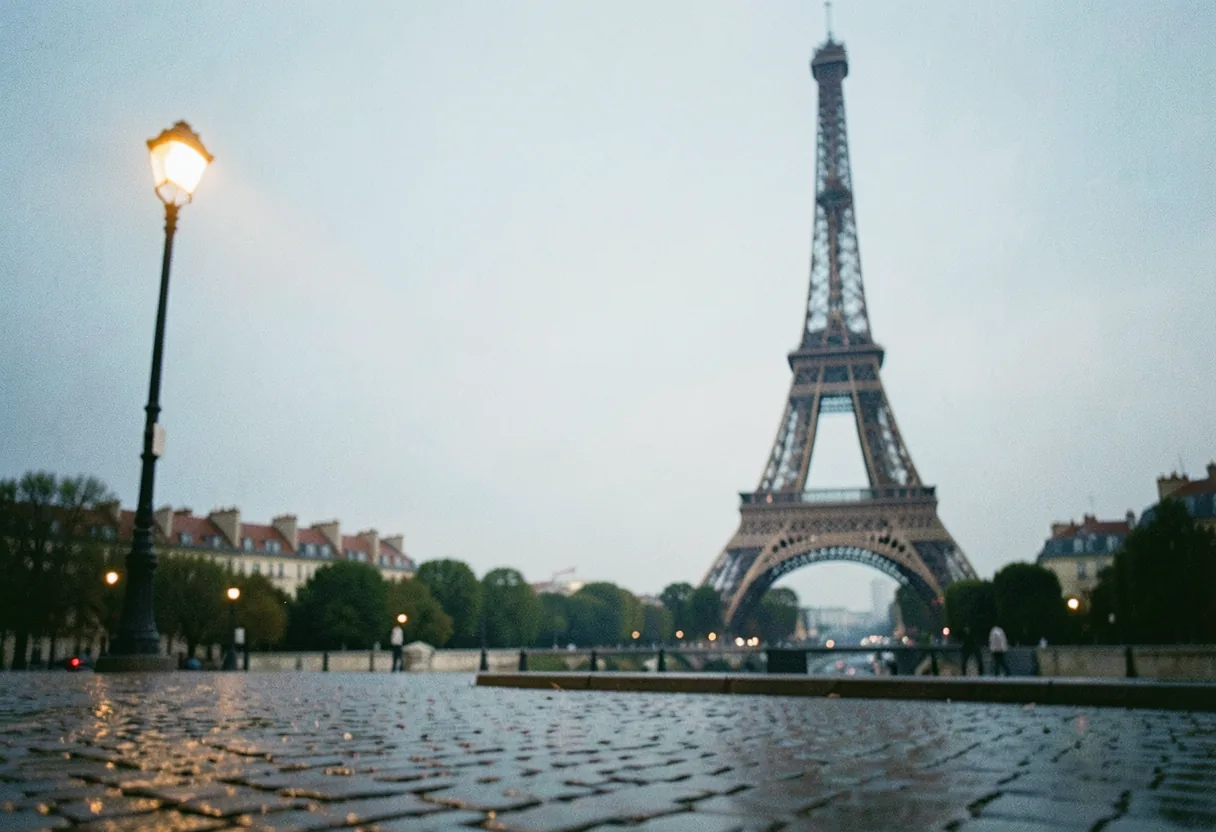
- The Eiffel Tower was originally intended to be a temporary structure for the 1889 World’s Fair.
- Paris has more cafés per square kilometer than any other city in the world.
- The Louvre Museum is the most visited art museum in the world, with over 10 million visitors annually.
What are 12 interesting facts about Paris?
Paris has a rich history and culture that offers countless intriguing facts. Here are 12 that stand out:
The first time I really looked at Paris through the lens of its quirks, I realized how much more there is to the city than just the Eiffel Tower and the Louvre. For example, did you know that Paris has its own underground streets? The catacombs, which hold the remains of more than six million people, are a fascinating and somewhat eerie part of the city’s history.
Another interesting fact is that there are more dogs than children in Paris. According to a 2015 study, the city is home to approximately 300,000 dogs and 200,000 children under the age of 15. This statistic highlights the city’s pet-friendly culture and the lifestyle of many Parisians.
The city is also known for its unique architecture, including the famous Haussmannian buildings. These structures, characterized by their uniform facades and iron balconies, were designed by Baron Haussmann in the 19th century to modernize Paris. Today, they are iconic symbols of the city’s aesthetic.
Additionally, Paris is home to the oldest tree in the city, the Robinia of the La Reine Blanche square, which is over 400 years old. This tree has witnessed centuries of history and stands as a testament to the city’s enduring charm.
For those interested in entertainment facts about life in Paris, the city boasts a vibrant theater scene. The Théâtre du Châtelet, for instance, has hosted performances by legendary artists such as Fun Facts Michael Jackson: 40+ King of Pop Legacy Facts.
What are 10 surprising facts about Paris?
Paris is full of surprises, from its hidden gems to its unique traditions. Here are 10 surprising facts that might astonish even seasoned travelers:
Did you know that the Paris Metro is the second-busiest subway system in Europe, after the Moscow Metro? With over 1.5 billion passengers annually, it’s a crucial part of the city’s infrastructure and a testament to its bustling urban life.
The city also has a secret apartment hidden within the walls of the Louvre Museum. This apartment was used by the Louvre’s former director, André Malraux, and is now a private residence for the museum’s president.
Paris has its own version of the Hollywood Walk of Fame. The “Promenade des Stars” on the Avenue des Champs-Élysées features handprints of famous actors and actresses embedded in the pavement.
Another surprising fact is that the Notre-Dame Cathedral was the first building in the world to feature flying buttresses, an architectural innovation that allowed for taller and more ambitious structures. This cathedral, with its intricate details and rich history, is a must-see for anyone visiting Paris.
For those interested in funny entertainment facts, Paris has a unique tradition of the “Poisson d’Avril,” or April Fools’ Day, where people stick paper fish on each other’s backs. This playful custom adds a touch of humor to the city’s cultural fabric.
In terms of interesting facts for adults, Paris is home to the world’s oldest public park, the Jardin des Tuileries. Established in 1564, it has been a favorite gathering spot for Parisians for centuries.
What are 5 interesting facts about Paris?
If you’re looking for a quick overview of Paris’s most intriguing aspects, here are five facts that capture the essence of the City of Light:
Paris has more than 1,800 historical monuments, making it one of the most historically rich cities in the world. These monuments range from medieval churches to modern landmarks, each with its own unique story.
The city is also known for its unique street names. For example, the Rue de la Huchette is named after the old wooden hoists used to lift goods to upper floors in medieval times. This quirky naming convention adds character to the city’s streets.
Paris is home to the world’s largest art museum, the Louvre, which covers an area of approximately 68,450 square meters. The museum houses thousands of artworks, including the Mona Lisa and the Venus de Milo.
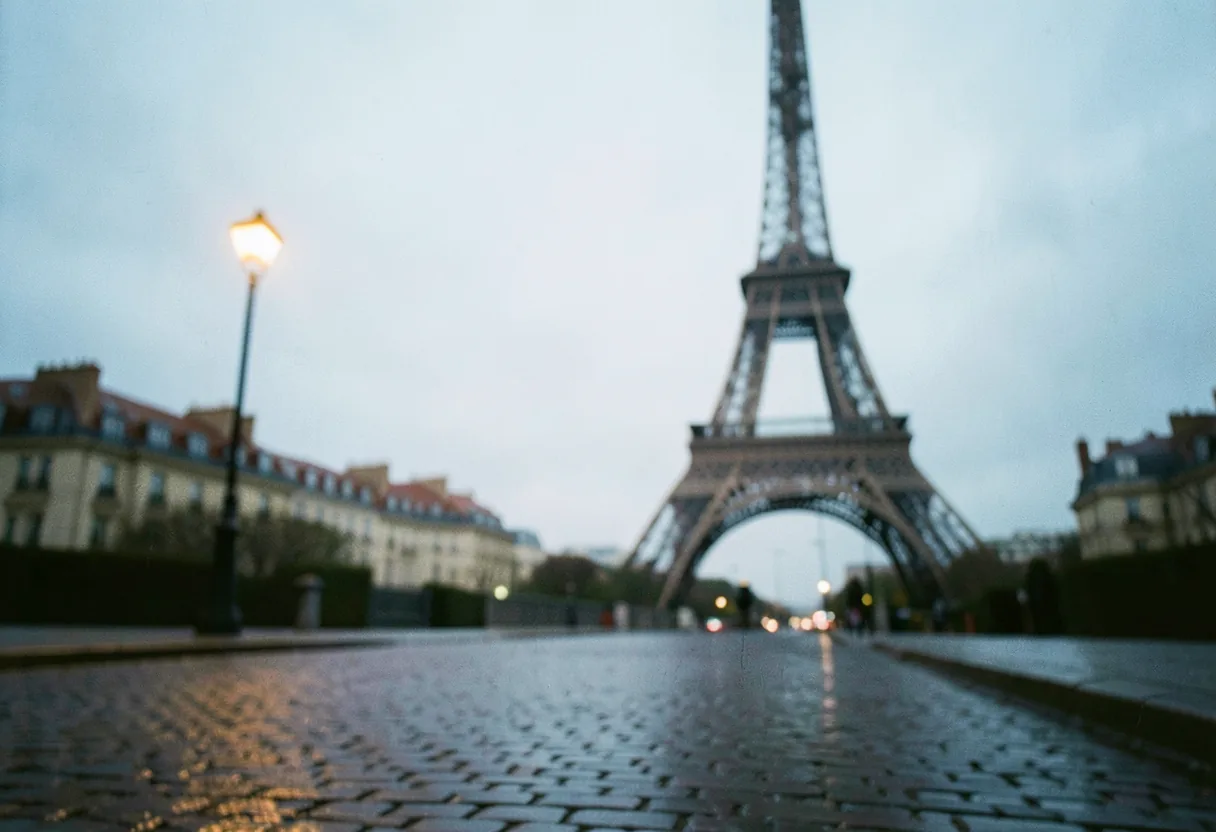
The Eiffel Tower, one of the most recognizable landmarks in the world, was initially criticized by some of France’s leading artists and intellectuals. Despite this, it has become an enduring symbol of Paris and a must-see attraction for visitors.
For those interested in life-related entertainment facts, Paris is known for its love of books. The city has more than 1,000 bookstores, and the annual Paris Book Fair attracts thousands of visitors from around the world.
What are 7 fun facts about Paris?
Paris is a city full of fun and quirky facts that make it a delight to explore. Here are seven fun facts that highlight the city’s unique charm:
The city has a law that prohibits feeding pigeons in public places. This law was enacted to protect the city’s historical monuments from pigeon droppings.
Paris is home to the world’s first public toilet, which was installed in 1837. These toilets, known as “vespasiennes,” were a significant improvement in public hygiene and have since become a common sight in the city.
The city has a unique tradition of the “Fête de la Musique,” or Music Day, where musicians perform on the streets and in public spaces. This annual event celebrates the diversity and richness of Paris’s music scene.
Paris is known for its love of cats. The city has more cats than dogs, and there are even cat cafés where visitors can interact with felines while enjoying a cup of coffee.
The city has a unique tradition of the “Fête des Lumières,” or Festival of Lights, where buildings and monuments are illuminated with beautiful light displays. This annual event attracts thousands of visitors and showcases the city’s artistic side.
For those interested in more trivia, Paris is home to the world’s oldest tree-lined boulevard, the Avenue des Champs-Élysées. This iconic boulevard has been a central part of the city’s history and culture for centuries.
The city also has a unique tradition of the “Fête des Voisins,” or Neighbors’ Day, where residents come together to celebrate their community and build stronger relationships with their neighbors.
How can I find more interesting facts about Paris?
To find more interesting facts about Paris, you can explore various resources such as books, documentaries, and online articles. Visiting museums and historical sites can also provide a wealth of information and insights into the city’s rich history and culture.
For a comprehensive overview, consider checking out the official website of the City of Paris, which offers a wide range of information and resources. Additionally, visiting the Fun Facts England: 25+ British Heritage Facts can provide interesting comparisons and insights into other major cities.
If you’re looking for more trivia and fun facts, you can explore websites and blogs dedicated to Parisian culture and history. These resources often provide unique perspectives and lesser-known tidbits about the city.
Attending cultural events and festivals can also be a great way to learn more about Paris. Events like the Fête de la Musique and the Fête des Lumières offer a glimpse into the city’s vibrant arts and culture scene.
Key resources
- Paris Wikipedia
- Fun Facts England: 25+ British Heritage Facts
- Fun Facts India: 20+ South Asian Heritage Facts
| Fact Category | Example Fact |
|---|---|
| Historical | The Eiffel Tower was originally intended to be a temporary structure. |
| Cultural | Paris has more cafés per square kilometer than any other city in the world. |
| Architectural | The Notre-Dame Cathedral was the first building to feature flying buttresses. |
| Entertainment | The Théâtre du Châtelet has hosted performances by legendary artists. |
| Fact Source | Verification |
|---|---|
| City of Paris Official Website | Provides official information and resources about Paris. |
| Documentaries | Offers in-depth insights into Parisian history and culture. |
| Books | Provides detailed information and unique perspectives on Paris. |
| Online Articles | Offers a wealth of information and trivia about the city. |
Start your exploration of Paris with these fun facts and delve deeper into the city’s rich history and culture. Whether you’re a first-time visitor or a seasoned traveler, there’s always more to discover in the City of Light.
- Visit the official website of the City of Paris for comprehensive information and resources.
- Explore museums and historical sites to learn more about Paris’s rich history.
- Attend cultural events and festivals to experience the city’s vibrant arts and culture scene.
- Read books and online articles dedicated to Parisian culture and history for unique perspectives and lesser-known tidbits.
One practical takeaway: When planning your visit to Paris, make sure to check out the Fun Facts Michael Jackson: 40+ King of Pop Legacy Facts for more entertainment facts that might enhance your experience in the city.
Frequently asked questions
Why is Paris called the 'City of Light'?
Paris earned this nickname in the 19th century due to its leading role in education and ideas during the Enlightenment. The introduction of street lighting in 1667 by Louis XIV also contributed, making Paris one of the first cities to shine brightly at night.
How many bridges cross the Seine River in Paris?
There are 37 bridges spanning the Seine within the city limits. The oldest, Pont Neuf, was completed in 1607, while the newest, Pont de Sévéran, opened in 2006. Each bridge offers unique architectural styles and views.
What is the significance of the Louvre's glass pyramid?
Designed by I. M. Pei, the 21-meter-tall glass pyramid opened in 1989 as the entrance to the Louvre Museum. It sparked controversy but now attracts nearly 10 million visitors annually, serving as a striking modern contrast to historic surroundings.
How did the Eiffel Tower survive World War II?
Hitler ordered its destruction in 1940, but the French cut the lift cables, forcing the Nazis to climb 1,665 steps. The tower's role as a radio transmitter made it strategically valuable, ensuring its preservation throughout the war.