
Fun Facts Utah: 10+ Red Rock & State Facts
Editorial Team · on 15 July 2026 · 10 min read · Last reviewed 15 July 2026
Fun facts Utah are entertaining tidbits highlighting the state’s unique red rock landscapes and cultural quirks.
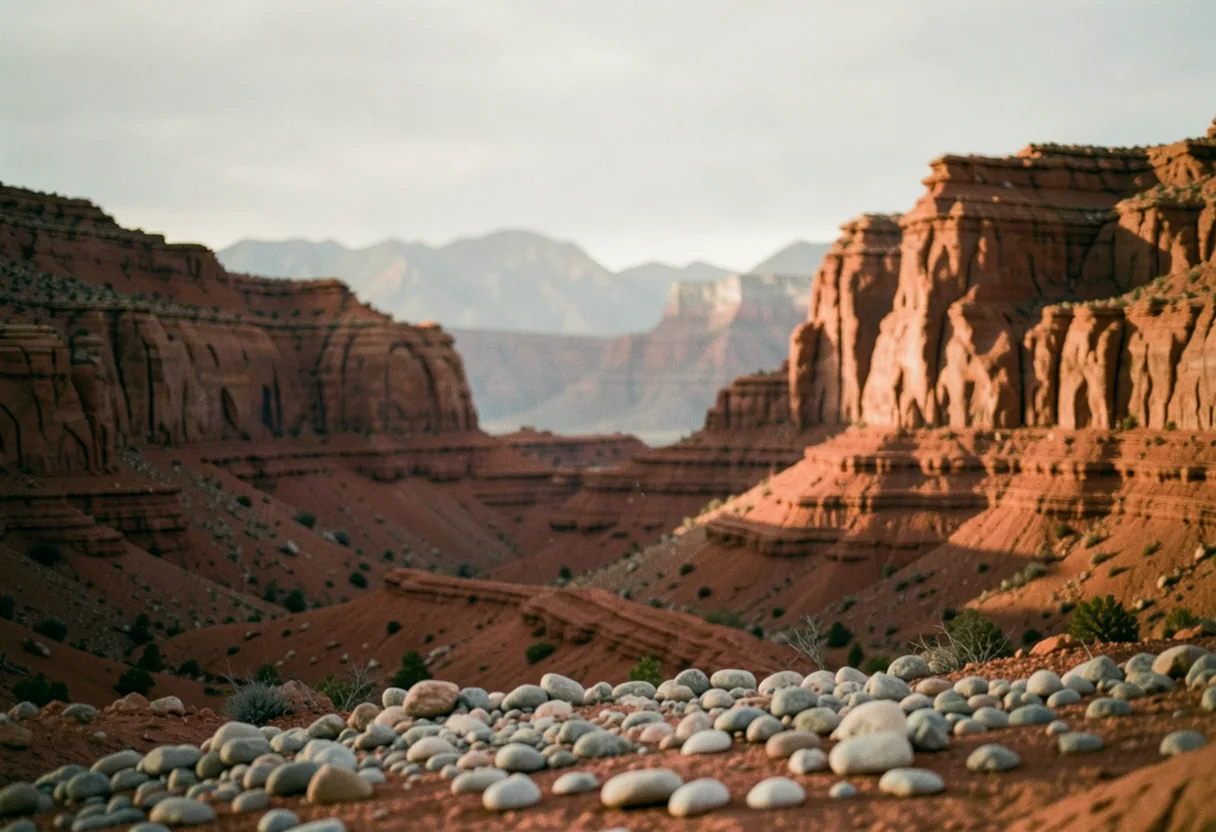
In plain terms: Think of Utah as nature’s grand stage, where red rock formations like towering actors perform a 270-million-year-old geologic drama under the spotlight of some of the clearest skies in the U.S.
Key facts
- Utah is home to five national parks, including Arches and Zion.
- The Great Salt Lake is the largest saltwater lake in the Western Hemisphere.
- Utah’s state animal, the beaver, was nearly hunted to extinction in the 1800s.
- The state’s red rock formations are part of the Colorado Plateau.
What are 12 interesting facts about Utah?
The Beehive State boasts a mix of natural wonders and cultural oddities. For instance, Utah’s red rock country spans over 22,000 square miles, making it one of the largest concentrations of sandstone formations in the world. The state also has the highest percentage of Mormon residents, about 62%, according to the Pew Research Center.
Utah’s Bonneville Salt Flats are so flat that pilots use them for land-speed records. The salt crust can be up to 5 inches thick in some areas. Meanwhile, the state’s Delicate Arch in Arches National Park is a 65-foot-tall freestanding natural arch that’s become an iconic symbol of Utah.
Funny entertainment facts about Utah include its offbeat laws, like a now-defunct statute that once made it illegal to not believe in God. The state also hosts the World’s Largest Ball of Twine in Canyonville. For life enthusiasts, Utah’s Park City transforms into a winter wonderland, hosting the Sundance Film Festival and attracting 300+ inches of snow annually.
What are 10 surprising facts about Utah?
Utah’s natural and cultural surprises are as diverse as its landscapes. The state is home to the Dark Sky Parks, where stargazers can see the Milky Way with stunning clarity. Utah’s Bryce Canyon is famous for its hoodoos, tall, thin spires of rock created by erosion, with some reaching up to 60 feet high.
Utah’s Monument Valley, straddling the Utah-Arizona border, is a sacred site for the Navajo people and has appeared in over 200 films, including classic Westerns like Stagecoach (1939). The state also claims the highest concentration of outdoor enthusiasts, with over 80% of residents participating in outdoor activities, according to the Utah Office of Tourism.
For trivia buffs, Utah’s Great Basin Spadefoot Toad can survive being frozen solid in winter and thaw out in spring. The state also has the only temple in the world with an exterior made entirely of white granite, the Salt Lake Temple of The Church of Jesus Christ of Latter-day Saints. Utah’s Park City Mountain Resort is another surprise, offering 7,300 acres of skiable terrain and hosting events like the X Games.
What are 5 interesting facts about Utah?
Utah’s entertainment facts include its role as a filming location for iconic movies and TV shows. The state’s Moab region, with its otherworldly red rock formations, has been a backdrop for films like Indiana Jones and the Last Crusade and Thelma & Louise. Utah’s Bear Lake, known for its turquoise waters, is a popular spot for swimming, boating, and fishing.
The state’s Dinosaur National Monument houses over 1,500 fossilized dinosaur bones, including the remains of Allosaurus and Stegosaurus. Utah’s Antelope Island State Park is home to a herd of free-roaming bison, a remnant of the wild herds that once roamed the Great Plains. The state also has the highest elevation change in the contiguous U.S., from 4,000 feet to over 13,500 feet.
For random interesting facts, Utah’s Sego Lily, the state flower, is a symbol of resilience and beauty. The state’s Wasatch Front is a major metropolitan area stretching along the Wasatch Range, home to over 2.5 million people. Utah’s Timpanogos Cave National Monument features stunning cave formations, including helectites, which grow in rare, twisted shapes.
What are 7 fun facts about Utah?
Utah’s entertainment facts for kids include its role as the setting for the animated film Homeward Bound: The Incredible Journey, which features scenes from the state’s Provo Canyon. The state’s Lagoon Amusement Park in Farmington has been a family favorite since 1886, offering over 50 rides and attractions.
Utah’s Great Salt Lake is so salty that you can float effortlessly, thanks to its 8-27% salt concentration, much higher than the ocean’s 3.5%. The state’s Bryce Canyon Amphitheater is a natural theater of hoodoos that glow orange at sunset. Utah’s Moab Music Festival attracts musicians and music lovers from around the world, featuring performances in stunning outdoor venues.
For more trivia, Utah’s Zion National Park is home to the Narrows, a slot canyon where the Virgin River runs through a narrow passage just 20-30 feet wide. The state’s Hogle Zoo in Salt Lake City is home to over 800 animals and is known for its successful breeding programs. Utah’s Park City is also a hub for art and culture, hosting the Park City Film Series and the Park City Institute.
How can you find more trivia about Utah?
To explore more trivia about Utah, visit the state’s natural history museums, such as the Natural History Museum of Utah in Salt Lake City. The museum houses exhibits on Utah’s geology, paleontology, and cultural history. For life enthusiasts, the Utah’s Hogle Zoo offers educational programs and animal encounters. Utah’s state parks also provide a wealth of information through guided tours and interpretive centers.
For entertainment facts about life, check out the Utah State Historical Society, which offers resources on the state’s rich history and cultural heritage. The society’s website and museum provide insights into Utah’s past and present. For random interesting facts, the Utah Office of Tourism offers a wealth of information on the state’s attractions and events. Their website features articles, videos, and guides to help you plan your visit.
If you’re looking for more trivia, consider visiting the Utah Film Commission, which provides information on films and TV shows shot in Utah. The commission’s website features a database of productions and filming locations. For interesting facts for adults, the Utah Department of Natural Resources offers resources on the state’s outdoor activities and conservation efforts.
What are some interesting facts about Utah’s national parks?
Utah’s national parks are a treasure trove of natural wonders and geological marvels. The state is home to five national parks, including Arches, Canyonlands, Capitol Reef, Bryce Canyon, and Zion. Arches National Park features over 2,000 natural stone arches, including the iconic Delicate Arch, which stands at 65 feet tall.
Canyonlands National Park is divided into four districts: Island in the Sky, The Needles, The Maze, and the rivers themselves. The park’s Island in the Sky district offers breathtaking views from its 1,200-foot-high mesa top. Capitol Reef National Park is known for its Waterpocket Fold, a 100-mile-long geological feature formed by the San Rafael Swell.
Bryce Canyon National Park is famous for its hoodoos, tall, thin spires of rock created by erosion. The park’s Bryce Amphitheater is home to thousands of hoodoos, some reaching up to 60 feet high. Zion National Park is known for its towering sandstone cliffs and the Virgin River Narrows, a slot canyon where the river runs through a narrow passage just 20-30 feet wide.
| National Park | Unique Feature | Key Attraction |
|---|---|---|
| Arches National Park | Over 2,000 natural stone arches | Delicate Arch |
| Canyonlands National Park | Four distinct districts | Island in the Sky |
| Capitol Reef National Park | Waterpocket Fold | San Rafael Swell |
| Bryce Canyon National Park | Hoodoos | Bryce Amphitheater |
| Zion National Park | Towering sandstone cliffs | Virgin River Narrows |
What are some interesting facts about Utah’s state symbols?
Utah’s state symbols reflect the state’s natural beauty and cultural heritage. The state flower, the Sego Lily, is a symbol of resilience and beauty. The Sego Lily blooms in the spring and is often found in Utah’s high-elevation meadows. The state tree, the Colorado Blue Spruce, is known for its striking blue-green needles and is a popular choice for Christmas trees.
The state bird, the California Gull, is known for its role in saving Utah’s crops from locusts in the 19th century. The state animal, the Beaver, was nearly hunted to extinction in the 1800s but has since made a comeback. The state fish, the Bonneville Cutthroat Trout, is named after the Bonneville Salt Flats and is found in Utah’s mountain streams.
The state fossil, the Allosaurus, is a large theropod dinosaur that roamed Utah during the Late Jurassic period. The state gem, the Topaz, is found in Utah’s Thomas Range and is known for its beautiful blue and yellow hues. The state mineral, the Copper, is mined in Utah and is used in a variety of industrial applications.
| State Symbol | Description | Significance |
|---|---|---|
| State Flower: Sego Lily | A white lily with a yellow center | Symbol of resilience and beauty |
| State Tree: Colorado Blue Spruce | A coniferous tree with blue-green needles | Popular choice for Christmas trees |
| State Bird: California Gull | A white gull with black wingtips | Saved Utah’s crops from locusts |
| State Animal: Beaver | A large rodent with a flat tail | Nearly hunted to extinction in the 1800s |
| State Fish: Bonneville Cutthroat Trout | A trout with a red slash on its jaw | Named after the Bonneville Salt Flats |
| State Fossil: Allosaurus | A large theropod dinosaur | Roamed Utah during the Late Jurassic period |
| State Gem: Topaz | A mineral with blue and yellow hues | Found in the Thomas Range |
| State Mineral: Copper | A reddish-brown metal | Used in industrial applications |
What are some interesting facts about Utah’s outdoor activities?
Utah is a paradise for outdoor enthusiasts, offering a wide range of activities in its diverse landscapes. The state’s national parks and state parks provide opportunities for hiking, camping, and rock climbing. Utah’s red rock country is famous for its slot canyons and natural arches, which attract adventurers from around the world.
For winter sports, Utah’s Park City Mountain Resort offers over 7,300 acres of skiable terrain and hosts events like the X Games. The state’s Wasatch Range is known for its deep powder snow and is a popular destination for snowboarding and cross-country skiing. Utah’s Bonneville Salt Flats are a unique destination for land-speed racing and off-road driving.
For water enthusiasts, Utah’s Great Salt Lake offers opportunities for swimming, boating, and fishing. The state’s Bear Lake is known for its turquoise waters and is a popular spot for water skiing and jet skiing. Utah’s Virgin River in Zion National Park is a popular destination for rafting and kayaking.
- Hiking in Utah’s national parks, such as Arches and Zion.
- Camping in Utah’s state parks, such as Goblin Valley and Dead Horse Point.
- Rock climbing in Utah’s red rock country, such as Moab and Indian Creek.
- Skiing in Utah’s ski resorts, such as Park City Mountain Resort and Deer Valley.
- Snowboarding in Utah’s ski resorts, such as Snowbird and Alta.
- Cross-country skiing in Utah’s state parks, such as Antelope Island and Wasatch Mountain.
- Land-speed racing on Utah’s Bonneville Salt Flats.
- Off-road driving in Utah’s state parks, such as Sand Hollow and Owl Creek.
- Swimming in Utah’s Great Salt Lake and Bear Lake.
- Boating in Utah’s state parks, such as Pineview Reservoir and Jordanelle Reservoir.
- Fishing in Utah’s mountain streams and rivers, such as the Provo River and the Weber River.
- Water skiing and jet skiing in Utah’s Bear Lake.
- Rafting and kayaking in Utah’s Virgin River and Green River.
Utah’s diverse landscapes and outdoor activities make it a unique destination for entertainment facts and trivia. Whether you’re exploring the state’s national parks, skiing in its world-class resorts, or racing on its salt flats, Utah offers a wealth of experiences for visitors of all ages. So, pack your bags and get ready to discover the fun facts Utah has to offer!
Frequently asked questions
What makes Arches National Park's rock formations so unique?
The park's iconic arches, like the 65-foot-tall Delicate Arch, formed over millions of years due to erosion. Wind, water, and temperature changes sculpted the red sandstone into 2,000+ arches. The park's signature feature, Landscape Arch, spans 306 feet, making it one of the longest in the world.
Why is Canyonlands National Park split into four districts?
The park's vast size (337,598 acres) and diverse landscapes necessitated division. Island in the Sky offers panoramic views, The Needles features colorful rock spires, The Maze is a remote labyrinth, and the riverside Green River district is accessible only by boat or trail.
What's the story behind Utah's state rock, the geode?
Designated in 1969, the geode forms when mineral deposits like quartz, amethyst, or calcite crystallize in hollow rocks. Utah's geodes often contain stunning purple amethyst clusters. The Black Rock Desert in Utah is a prime location for geode hunting.
How did Bryce Canyon's hoodoos get their name?
Mormon pioneer Ebenezer Bryce named the canyon in the 1870s. The term "hoodoo" originates from voodoo, reflecting early settlers' belief that the spire-like rock formations were enchanted. Bryce Canyon has the highest concentration of hoodoos on Earth, with over 100,000.