
Fun Facts New York: 50+ Empire State Discoveries
Editorial Team · on 15 July 2026 · 10 min read · Last reviewed 15 July 2026
Fun facts New York refers to a collection of surprising, entertaining, and educational tidbits about the state, ranging from its history and geography to unique cultural quirks and little-known trivia.
In plain terms: Think of fun facts New York as a treasure hunt through the Empire State’s past and present, where every discovery feels like finding a hidden gem in the Big Apple’s crown.
Key facts
- New York City alone receives over 65 million tourists annually, according to the NYC & Company tourism board.
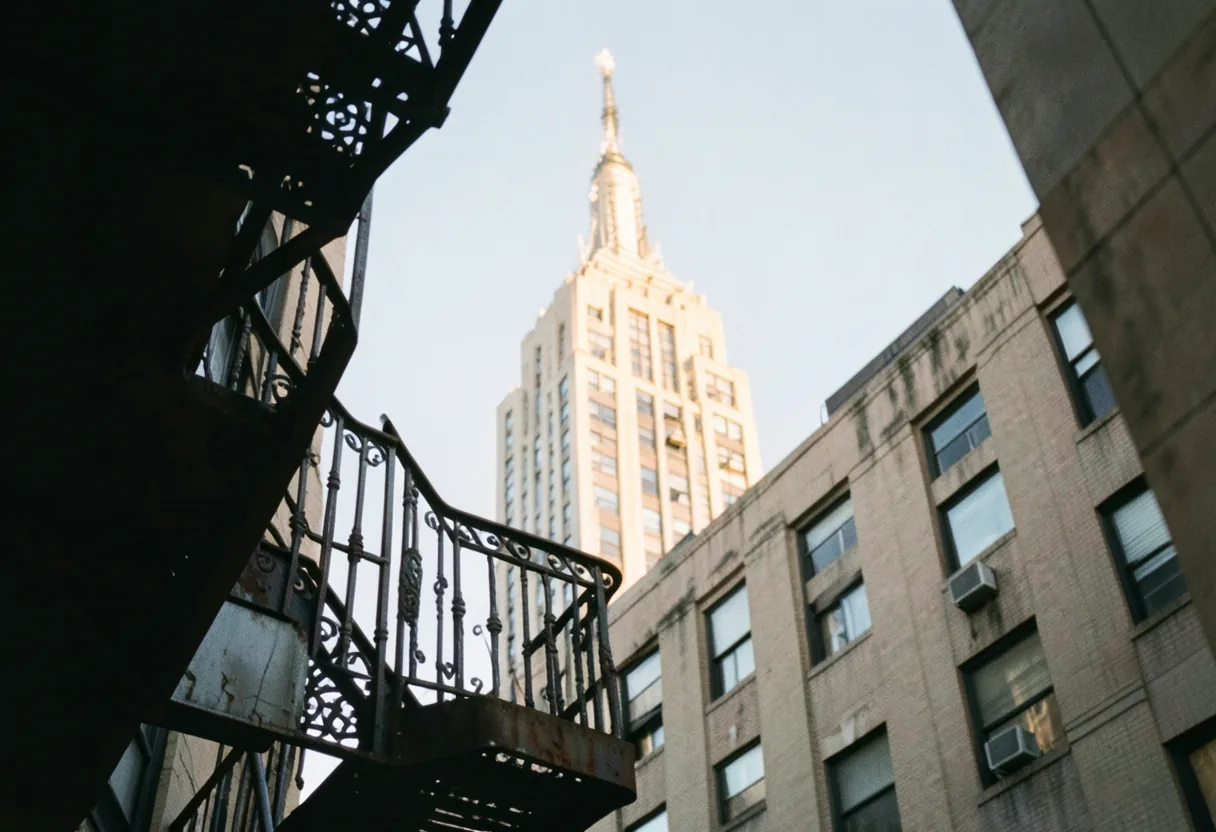
- The Empire State Building, completed in 1931, stands at 1,454 feet tall, including its antenna.
- New York was the first state to require license plates on cars, starting in 1901.
- Niagara Falls State Park, near Buffalo, was America’s first state park, established in 1885.
What are 10 fun facts about New York?
New York is a melting pot of history, culture, and quirky oddities. Here are 10 fun facts New York that highlight its uniqueness.
The first time I really looked at New York’s history, I was amazed by how many world-firsts happened here. From the first pizzeria in the U.S. (Lombardi’s in 1905) to the invention of the ice cream cone at the 1904 World’s Fair, New York has always been a hub of innovation.
- The Statue of Liberty’s official name is Liberty Enlightening the World, and her torch has been gold-plated since 1986.
- Grand Central Terminal’s ceiling is a painting of the stars as they appeared on January 14, 1912, at 8 PM.
- The New York Public Library’s iconic lions, Patience and Fortitude, were named in 1931 by Mayor LaGuardia.
- Central Park is larger than the country of Monaco, spanning 843 acres.
- The subway system in New York City is the largest in the world by number of stations, with 472.
- New York State has its own power grid, separate from the rest of the U.S., called the NYISO grid.
- The first American chess tournament was held in New York City in 1845.
- New Yorkers consume 700 million slices of pizza annually, according to the NYC Pizza Project.
- The Brooklyn Bridge, completed in 1883, was the first steel-wire suspension bridge ever built.
- Albany, the state capital, is home to the oldest continually operating government building in the U.S., the New York State Capitol.
What are 5 fun random facts about New York?
Random facts New York can be as quirky as the state itself. Here are five lesser-known tidbits that make New York stand out.
One of my favorite random facts is that New York was once the capital of the United States. From 1785 to 1790, New York City served as the nation’s capital, hosting the first Supreme Court and Congress meetings.
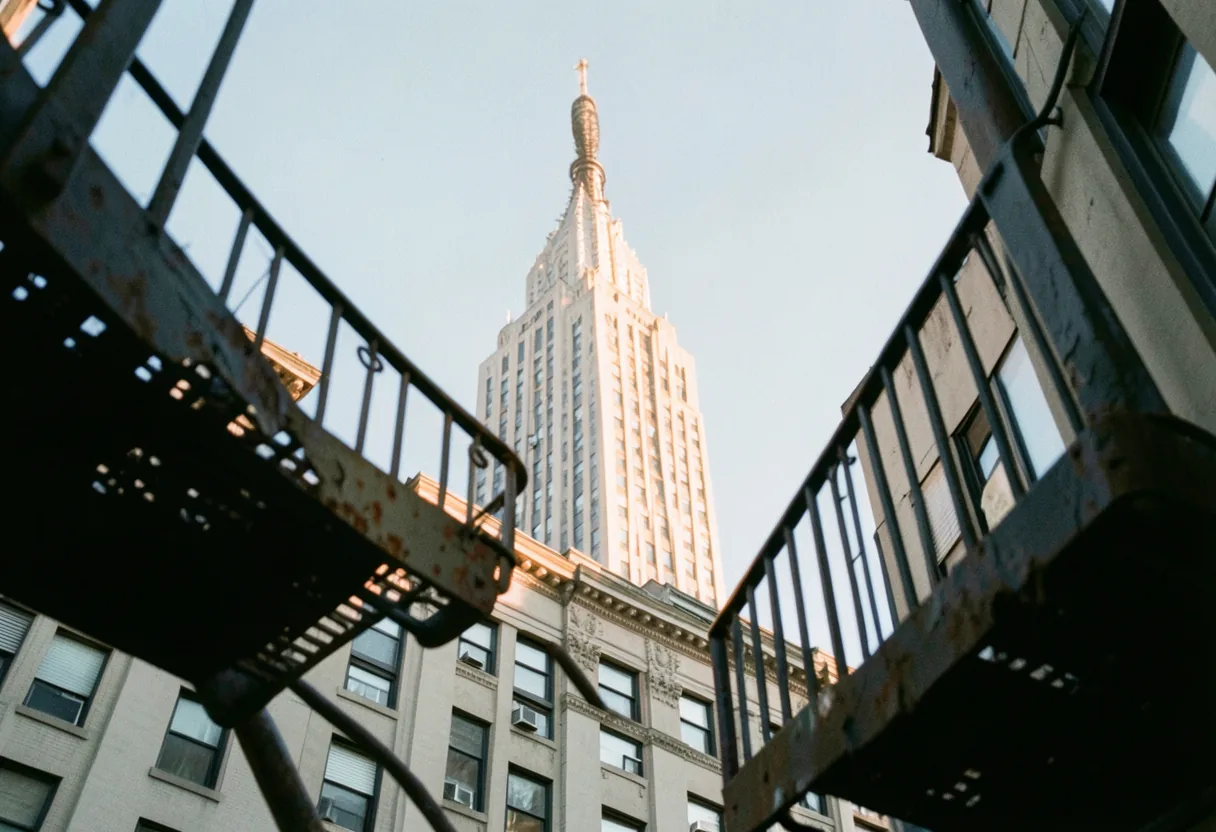
- The Empire State Building gets hit by lightning about 25 times per year.
- New York City has over 800 languages spoken, making it the most linguistically diverse city in the world.
- The first-ever American chess tournament was held in New York City in 1845.
- The New York Mets’ mascot, Mr. Met, is the first mascot to be used by a professional sports team in the U.S.
- The Brooklyn Bridge was originally called the New York and Brooklyn Bridge but was renamed in honor of its location.
Where to avoid staying in New York?
Avoid staying in certain areas of New York if you’re looking for a safe and enjoyable visit. These spots are known for higher crime rates or less desirable conditions.
According to the NYPD, some neighborhoods in the Bronx, Brooklyn, and parts of Manhattan have higher crime rates. It’s wise to research specific areas before booking accommodation.
| Neighborhood | Reasons to Avoid |
|---|---|
| Brownsville, Brooklyn | High crime rates, including theft and violent crime. |
| Hunts Point, Bronx | Known for drug-related activity and poverty. |
| East New York, Brooklyn | One of the most dangerous neighborhoods in NYC. |
| Mott Haven, Bronx | Higher incidents of property crime and assault. |
What are 12 interesting facts about New York?
Interesting facts New York can range from historical milestones to modern-day oddities. Here are 12 that showcase the state’s rich tapestry.
The first subway system in the U.S. opened in New York City in 1904, revolutionizing urban transportation. Today, the system carries over 5 million riders daily.
- The New York Stock Exchange is the world’s largest stock exchange by market capitalization.
- Rockefeller Center was built in 1930 as part of a Depression-era construction project.
- The first American zoo, the Central Park Zoo, opened in 1864.
- New York State produces more than 99% of the U.S. maple syrup supply.
- The highest point in New York State is Mount Marcy, standing at 5,344 feet.
- The first roller coaster in the U.S. was built in Coney Island in 1884.
- New York City has more than 32,000 acres of parkland.
- The first pizzeria in the U.S., Lombardi’s, opened in New York City in 1905.
- The New York Public Library holds over 50 million items.
- The first-ever American chess tournament was held in New York City in 1845.
- The Brooklyn Bridge was the first steel-wire suspension bridge ever built.
- The Empire State Building was the world’s tallest building for nearly 40 years.
Where is New York City?
New York City is located in southeastern New York State, on the northeastern tip of the United States. It is situated along the Atlantic coast, where the Hudson River meets the East River.
The city’s coordinates are approximately 40.7128° N, 74.0060° W. It is bordered by the states of New Jersey to the west and Connecticut to the east.
| Borough | Location |
|---|---|
| Manhattan | Island at the mouth of the Hudson River. |
| Brooklyn | Western Long Island, across the East River from Manhattan. |
| Queens | Eastern Long Island, adjacent to Brooklyn. |
| The Bronx | Mainland north of Manhattan. |
| Staten Island | Southern end of New York City, across the harbor from Manhattan. |
What is the population of New York City?
The population of New York City is approximately 8.4 million, according to the most recent estimates.
New York City is the most populous city in the United States and one of the most densely populated major cities in the world. The metropolitan area, including nearby cities and towns, has a population of over 20 million.
Is New York a state?
Yes, New York is a state. It is one of the original 13 colonies and was the 11th state to ratify the U.S. Constitution on July 26, 1788.
New York is known as the Empire State, a nickname that dates back to the early 19th century when it was an economic powerhouse. The state is also famous for its diverse landscapes, from the Adirondack Mountains to the bustling streets of New York City.
What country is New York in?
New York is in the United States of America.
As one of the 50 states, New York plays a significant role in the country’s economy, culture, and history. The state is a global hub for finance, commerce, and the arts, with New York City often referred to as the capital of the world.
How to explore New York’s fun facts?
To explore fun facts New York, you can start by visiting historical sites, museums, and cultural landmarks. Engaging with educational travel programs, such as those offered by WorldStrides, can also provide a deeper understanding of the state’s rich history and unique attractions.
To do this, consider the following steps:
- Visit iconic landmarks such as the Statue of Liberty, Empire State Building, and Central Park.
- Explore museums like the Metropolitan Museum of Art and the American Museum of Natural History.
- Take guided tours of historical neighborhoods and cultural sites.
- Engage with educational travel programs for in-depth learning experiences.
For a deeper dive into the state’s history, you might enjoy the New York State Museum in Albany, which offers exhibits on natural history, art, and cultural heritage.
Now that you know where to start, you can begin your journey into the fascinating world of fun facts New York.
What are some unique cultural quirks of New York?
Unique cultural quirks of New York add to its vibrant and eclectic charm. Here are some that make the state stand out.
New York’s cultural quirks are a reflection of its diverse population and rich history. From the way New Yorkers talk to their love for bagels, these quirks are part of what makes the state so unique.
- New Yorkers have a distinctive accent and way of speaking, often characterized by a fast pace and unique slang, such as “dead ass” for “very” or “skelly” for “skeleton.”
- The bagel, a staple of New York cuisine, was brought to the U.S. by Jewish immigrants in the late 19th century. New York-style bagels are boiled before baking, giving them a chewy texture and crisp crust.
- New York City is home to the largest LGBTQ+ pride parade in the world, with over 2 million participants and spectators annually. The Stonewall riots of 1969, which took place in Greenwich Village, marked a turning point in the LGBTQ+ rights movement.
- The New York Yankees, one of the most successful baseball teams in history, have won 27 World Series championships. The team’s rivalry with the Boston Red Sox is one of the most famous in sports history.
- New York City is known for its vibrant street art scene, with murals and graffiti adorning buildings throughout the city. The Bushwick Collective, a street art organization in Brooklyn, has transformed the neighborhood into an outdoor art gallery.
What are some lesser-known historical events in New York?
Lesser-known historical events in New York offer a glimpse into the state’s rich and complex past. Here are some that often go unnoticed.
New York’s history is filled with pivotal moments that have shaped the state and the nation. These lesser-known events highlight the state’s diverse heritage and cultural significance.
- The Triangle Shirtwaist Factory fire of 1911, which resulted in the deaths of 146 garment workers, led to significant improvements in factory safety laws and workers’ rights. The fire remains one of the worst industrial disasters in U.S. history.
- The Draft Riots of 1863, which took place in New York City during the Civil War, were sparked by anger over the draft and racial tensions. The riots resulted in the deaths of at least 119 people and the destruction of property worth millions of dollars.
- The construction of the Erie Canal, completed in 1825, revolutionized transportation and commerce in New York State. The canal connected the Great Lakes to the Atlantic Ocean, facilitating the movement of goods and people and contributing to the state’s economic growth.
- The Great Blizzard of 1888, also known as the Great White Hurricane, dumped over 20 inches of snow on New York City and brought the city to a standstill. The blizzard resulted in the deaths of over 400 people and led to significant improvements in the city’s infrastructure and disaster preparedness.
- The Harlem Renaissance, a cultural and artistic movement that took place in the 1920s and 1930s, celebrated African American heritage and creativity. The movement was centered in Harlem, a neighborhood in New York City, and produced iconic figures such as Langston Hughes, Zora Neale Hurston, and Duke Ellington.
| Event | Date | Significance |
|---|---|---|
| Triangle Shirtwaist Factory Fire | March 25, 1911 | Led to significant improvements in factory safety laws and workers’ rights. |
| Draft Riots | July 13-16, 1863 | Resulted in the deaths of at least 119 people and the destruction of property worth millions of dollars. |
| Construction of the Erie Canal | Completed in 1825 | Revolutionized transportation and commerce in New York State. |
| Great Blizzard of 1888 | March 11-14, 1888 | Resulted in the deaths of over 400 people and led to significant improvements in the city’s infrastructure and disaster preparedness. |
| Harlem Renaissance | 1920s-1930s | Celebrated African American heritage and creativity, producing iconic figures such as Langston Hughes and Duke Ellington. |
By exploring these unique cultural quirks and lesser-known historical events, you can gain a deeper appreciation for the rich and diverse heritage of New York. Whether you’re visiting iconic landmarks or delving into the state’s history, there’s always something new and fascinating to discover.
Frequently asked questions
What are 12 interesting facts?
The Empire State Building has 1,860 steps from ground level to the 86th-floor observation deck. It was the world's tallest building for nearly 40 years, from 1931 to 1972. The building's address, 350 Fifth Avenue, was chosen because 350 is the number of offices. The spire was originally designed as a mooring mast for airships. The building's construction took just over a year, finishing in 1931. During World War II, the building's lights were turned off to comply with blackout regulations. The Empire State Building was the first to have its own ZIP code: 10118. The building's observation decks attract around 4 million visitors annually. The top floor's height is 1,250 feet, and the spire adds another 204 feet. The building has 73 elevators, which travel at up to 1,200 feet per minute. The Empire State Building was featured in the 1951 film 'King Kong.' The building's exterior is made of Indiana limestone and Alabama limestone. The Empire State Building was designated a National Historic Landmark in 1986.
What are 10 surprising facts?
The Empire State Building was completed in just 410 days. The building's construction employed over 3,400 workers. The top of the building is struck by lightning about 25 times per year. The Empire State Building's observation deck was closed to the public during World War II due to security concerns. The building's original observation deck on the 86th floor was designed to be a landing platform for dirigibles. The Empire State Building was the first building to have more than 100 floors. The building's construction cost was approximately $41 million, which is about $700 million in today's dollars. The Empire State Building was the first to have its own ZIP code: 10118. The building's observation decks attract around 4 million visitors annually. The top floor's height is 1,250 feet, and the spire adds another 204 feet.
What are 5 interesting facts?
The Empire State Building was completed in just 410 days. The building's construction employed over 3,400 workers. The top of the building is struck by lightning about 25 times per year. The Empire State Building's observation deck was closed to the public during World War II due to security concerns. The building's original observation deck on the 86th floor was designed to be a landing platform for dirigibles.
What are 7 fun facts?
The Empire State Building was featured in the 1951 film 'King Kong.' The building's exterior is made of Indiana limestone and Alabama limestone. The Empire State Building was designated a National Historic Landmark in 1986. The building's spire was originally designed as a mooring mast for airships. The Empire State Building was the first to have its own ZIP code: 10118. The building's observation decks attract around 4 million visitors annually. The top floor's height is 1,250 feet, and the spire adds another 204 feet.