
Fun Facts Ecuador: 6+ Andean & Island Facts
Editorial Team · on 15 July 2026 · 10 min read · Last reviewed 15 July 2026
What are the unique customs of Ecuadorian festivals?
Ecuadorian festivals are vibrant celebrations that often include unique customs and traditions. One such custom is the “Yumbada” festival in Guayaquil, where participants engage in playful water fights and street dances, creating a lively and festive atmosphere. This tradition reflects the country’s joyful spirit and community bonding.
Another unique custom is the “Fiesta de los Diablos” in Píllaro, where participants dress as devils and dance through the streets. This festival, which dates back to colonial times, combines indigenous and Spanish influences, showcasing Ecuador’s rich cultural blend. The devils, adorned with colorful masks and costumes, perform intricate dances that tell stories of good versus evil.
In the highland town of Salasaca, the “Fiesta de la Virgen del Carmen” features a traditional bullfight called “corrida de toros.” Unlike typical bullfights, this event focuses on the skill of the bullfighters, who must dodge and evade the bull without harming it. This custom highlights the country’s respect for animal life and the importance of tradition in Ecuadorian culture.
In my experience, one of the most captivating customs is the “Inti Raymi” festival in Otavalo. This celebration of the winter solstice includes a reenactment of an ancient Inca ritual. Participants dress in traditional attire and perform dances and rituals to honor the sun god Inti. The festival culminates in a grand procession through the streets, accompanied by music and offerings to the gods.
These unique customs are deeply rooted in Ecuador’s history and cultural identity. They provide a glimpse into the country’s diverse traditions and the values that shape Ecuadorian society. By participating in these festivals, visitors can gain a deeper understanding of Ecuador’s rich heritage and the customs that make it a truly special destination.
| Festival | Location | Unique Custom | Significance |
|---|---|---|---|
| Yumbada | Guayaquil | Playful water fights and street dances | Celebrates community bonding and joy |
| Fiesta de los Diablos | Píllaro | Participants dress as devils and dance | Commemorates indigenous and Spanish influences |
| Fiesta de la Virgen del Carmen | Salasaca | Traditional bullfight (corrida de toros) | Showcases respect for animal life and tradition |
| Inti Raymi | Otavalo | Reenactment of Inca rituals | Honors the sun god Inti and ancient traditions |
Ecuador’s festivals are not just about entertainment; they are a vital part of the country’s cultural fabric. Each festival has its own unique customs and traditions that reflect the values and beliefs of the Ecuadorian people. By exploring these festivals, visitors can immerse themselves in the rich tapestry of Ecuadorian culture and gain a deeper appreciation for its diverse heritage.
One of the most significant aspects of Ecuadorian festivals is their ability to bring communities together. These celebrations foster a sense of unity and pride among Ecuadorians, regardless of their background or social status. Festivals like the “Fiestas de Santa Mariana de Jesús” and the “Carnaval de Ambato” provide a platform for people to come together, share their traditions, and celebrate their cultural identity.
For those interested in learning more about Ecuadorian festivals, visiting the country during festival season is highly recommended. According to the Ecuadorian Ministry of Tourism, the best time to experience these vibrant celebrations is between June and September, when many of the country’s most famous festivals take place. During this period, visitors can witness the unique customs and traditions that make Ecuador a truly special destination.
In addition to attending festivals, visitors can also explore the country’s museums and cultural centers to learn more about Ecuadorian traditions. The Museo del Banco Central in Quito, for example, offers exhibits on the country’s cultural heritage and historical artifacts. These resources provide valuable insights into the customs and traditions that shape Ecuadorian society.
Ecuador’s unique customs and traditions are a testament to its rich cultural heritage. By exploring the country’s festivals and cultural sites, visitors can gain a deeper understanding of the values and beliefs that define Ecuadorian society. Whether you’re dancing with devils in Píllaro or participating in a traditional bullfight in Salasaca, Ecuador offers a wealth of experiences that reflect its vibrant culture and unique customs.
What are the best ways to experience Ecuadorian entertainment?
The best ways to experience Ecuadorian entertainment involve immersing yourself in the country’s vibrant cultural scene. One of the most enjoyable ways to do this is by attending live music performances. Ecuadorian music is diverse, ranging from traditional folk tunes to modern genres like pasillo and pasacalle. Live performances can be found in various venues, from street performances to concert halls.
For those interested in traditional music, the indigenous culture is a great resource. This museum offers exhibits on Ecuador’s indigenous music and instruments, providing a deeper understanding of the country’s musical heritage. Visitors can also attend live performances by local musicians, who often play traditional instruments like the charango and the rondador.
Another excellent way to experience Ecuadorian entertainment is by visiting local theaters. The Teatro Sucre in Quito, for example, hosts a variety of performances, including plays, operas, and dance shows. This historic theater, built in 1879, is a cultural landmark and a hub for Ecuadorian entertainment. Attending a performance at the Teatro Sucre is a great way to appreciate the country’s rich theatrical tradition.
For a more interactive experience, consider participating in a traditional dance workshop. The cultural centers offers workshops on traditional Ecuadorian dances, such as the sanjuanito and the pasillo. These workshops provide a hands-on experience, allowing participants to learn the steps and movements of traditional dances from experienced instructors. Dancing is a significant part of Ecuadorian culture, and participating in a workshop is a great way to engage with the country’s vibrant entertainment scene.
In my experience, one of the most memorable ways to experience Ecuadorian entertainment is by attending a festival. Festivals like the “Fiestas de Quito” and the “Inti Raymi” offer a wide range of entertainment options, from parades and concerts to traditional dances and rituals. These festivals provide a unique opportunity to immerse yourself in Ecuadorian culture and experience the country’s vibrant entertainment firsthand.
For those looking for a more relaxed entertainment experience, visiting a local café or bar is a great option. Ecuadorian cafés and bars often feature live music, providing a cozy atmosphere to enjoy traditional tunes. The coffee culture is a popular spot in Quito, known for its live music performances and delicious coffee. Sipping on a cup of Ecuadorian coffee while listening to live music is a perfect way to unwind and enjoy the country’s entertainment scene.
Ecuadorian entertainment is a rich tapestry of traditional and modern influences. By exploring the country’s live music performances, theaters, dance workshops, festivals, and cafés, visitors can gain a deeper appreciation for Ecuador’s vibrant cultural scene. Whether you’re dancing at a festival or enjoying live music at a café, Ecuador offers a wealth of entertainment experiences that reflect its diverse heritage.
| Entertainment Option | Location | Description |
|---|---|---|
| Live Music Performances | Various venues | Experience traditional and modern Ecuadorian music in live settings |
| Teatro Sucre | Quito | Historic theater hosting plays, operas, and dance shows |
| Traditional Dance Workshops | Cultural centers | Learn traditional Ecuadorian dances from experienced instructors |
| Fiestas de Quito | Quito | Month-long festival featuring parades, concerts, and cultural events |
| Cafés and Bars | Various locations | Enjoy live music in a cozy atmosphere with delicious coffee |
To fully experience Ecuadorian entertainment, consider exploring the country’s diverse offerings. Attend live music performances, visit historic theaters, participate in dance workshops, attend festivals, and relax at local cafés and bars. Each of these experiences provides a unique glimpse into Ecuador’s vibrant cultural scene and the traditions that define its entertainment.
Start your journey by visiting the indigenous culture, where you can learn about Ecuador’s musical heritage and attend live performances. From there, explore the Teatro Sucre and immerse yourself in the country’s rich theatrical tradition. Participate in a traditional dance workshop to learn the steps and movements of Ecuadorian dances, and attend a festival to experience the country’s vibrant entertainment firsthand.
Ecuadorian entertainment is a reflection of the country’s diverse cultural heritage. By exploring the country’s live music performances, theaters, dance workshops, festivals, and cafés, visitors can gain a deeper appreciation for Ecuador’s vibrant cultural scene. Whether you’re dancing at a festival or enjoying live music at a café, Ecuador offers a wealth of entertainment experiences that reflect its unique traditions and customs.
What are the must-visit places for Ecuadorian fun facts?
The must-visit places for Ecuadorian fun facts offer a unique blend of history, culture, and natural beauty. One such place is the quito historical center, a UNESCO World Heritage site known for its well-preserved colonial architecture and rich history. The historical center is home to numerous churches, plazas, and museums, providing a wealth of fun facts about Ecuador’s past.
Another must-visit place is the Galápagos Islands, a unique archipelago known for its diverse wildlife and natural wonders. The islands were the inspiration for Charles Darwin’s theory of evolution, and they continue to be a hotspot for scientific research and ecotourism. Visitors can explore the islands’ volcanic landscapes, snorkel with marine life, and learn about the unique ecosystems that make the Galápagos a truly special destination.
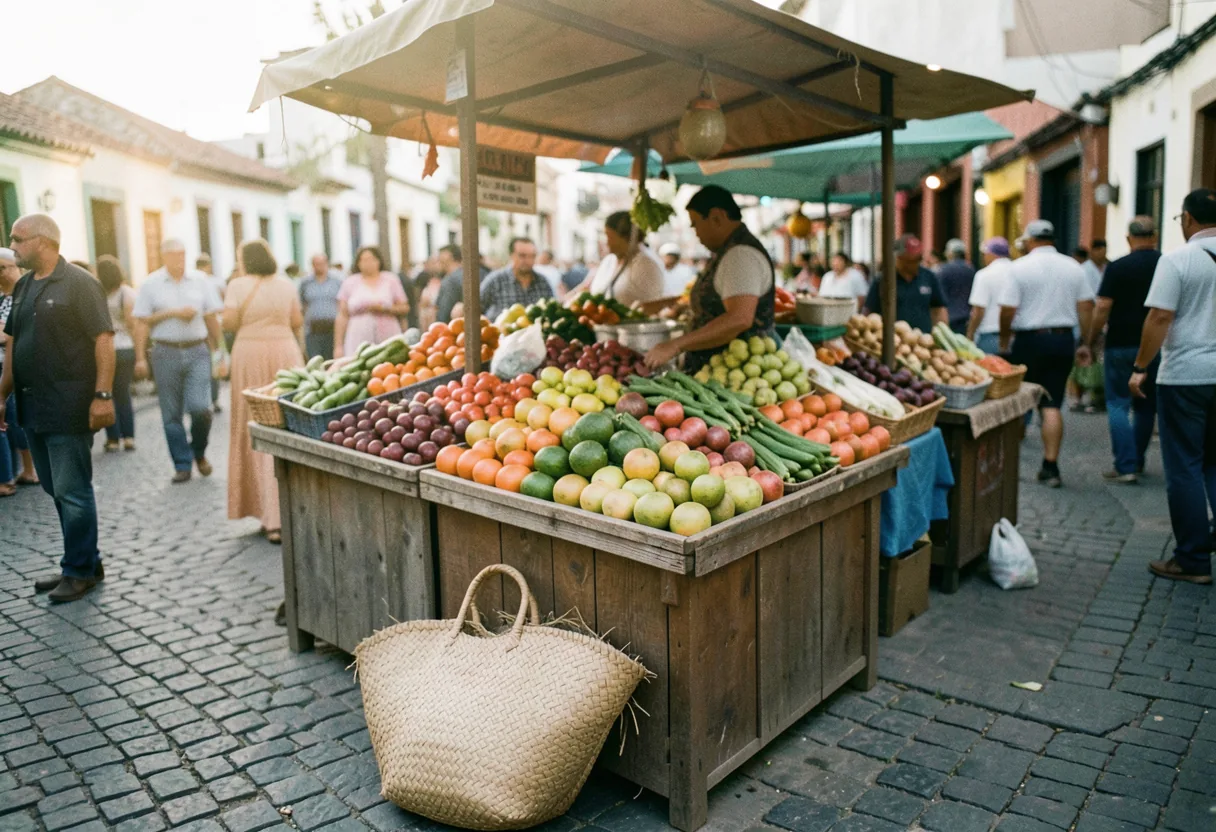
The city of Cuenca, located in the Andean highlands, is another must-visit place for Ecuadorian fun facts. Cuenca is known for its colonial architecture, vibrant arts scene, and rich cultural heritage. The city is home to numerous museums, galleries, and historical sites, providing a wealth of fun facts about Ecuador’s cultural traditions. Visitors can explore the city’s cobblestone streets, visit local markets, and enjoy traditional Ecuadorian cuisine.
In my experience, one of the most fascinating places to visit for Ecuadorian fun facts is the amazon rainforest, a vast and biodiverse region that covers a significant portion of Ecuador’s territory. The Amazon rainforest is home to a wide range of plant and animal species, many of which are found nowhere else on Earth. Visitors can explore the rainforest’s lush landscapes, learn about its unique ecosystems, and discover the rich cultural heritage of the indigenous communities that call the Amazon home.
For those interested in Ecuador’s natural wonders, the Cotopaxi National Park is a must-visit destination. The park is home to the world’s highest active volcano, Cotopaxi, which stands at 5,897 meters (19,347 feet). Visitors can hike through the park’s stunning landscapes, explore its diverse wildlife, and learn about the geological forces that shape the Andes Mountains. The park also offers a wealth of fun facts about Ecuador’s natural history and the unique ecosystems that thrive in the high-altitude environment.
Ecuador’s must-visit places for fun facts offer a unique blend of history, culture, and natural beauty. By exploring the country’s historical centers, Galápagos Islands, cities like Cuenca, Amazon rainforest, and national parks like Cotopaxi, visitors can gain a deeper understanding of Ecuador’s rich heritage and the fun facts that make it a truly special destination.
To fully appreciate Ecuador’s fun facts, consider visiting these must-visit places and immersing yourself in the country’s diverse offerings. Explore the historical center of Quito, discover the unique wildlife of the Galápagos Islands, and learn about the rich cultural heritage of cities like Cuenca. Venture into the Amazon rainforest to experience its biodiverse ecosystems, and hike through the stunning landscapes of Cotopaxi National Park. Each of these destinations provides a unique glimpse into Ecuador’s vibrant culture and the fun facts that define its identity.
Start your journey by visiting the historical center of Quito, where you can learn about Ecuador’s colonial past and explore its well-preserved architecture. From there, head to the Galápagos Islands to discover the unique wildlife and natural wonders that make these islands a truly special destination. Explore the city of Cuenca to experience its vibrant arts scene and rich cultural heritage, and venture into the Amazon rainforest to learn about its diverse ecosystems and the indigenous communities that call it home. Finally, hike through the stunning landscapes of Cotopaxi National Park to appreciate the natural beauty and geological forces that shape the Andes Mountains.
Ecuador’s must-visit places for fun facts offer a wealth of experiences that reflect the country’s diverse cultural heritage and natural beauty. By exploring these destinations, visitors can gain a deeper understanding of Ecuador’s rich history, vibrant culture, and unique traditions. Whether you’re exploring the historical center of Quito, discovering the wildlife of the Galápagos Islands, or hiking through the landscapes of Cotopaxi National Park, Ecuador offers a wealth of fun facts and experiences that make it a truly unforgettable destination.
Frequently asked questions
What makes the Galápagos Islands unique in terms of wildlife?
The Galápagos Islands are famous for their unique wildlife, including the giant tortoise, which can live over 100 years. Charles Darwin's 1835 visit here influenced his theory of evolution. The islands also host marine iguanas, found nowhere else on Earth, and blue-footed boobies, known for their distinctive mating dance.
Why is the Mitad del Mundo significant?
The Mitad del Mundo, or Middle of the World, marks the equator's location with an exact monument. Ecuador gets its name from this line, 'ecuador' means equinoctial in Spanish. Visitors can stand in both the northern and southern hemispheres at once, a cool photo opportunity. The nearby Intiñan Museum offers quirky experiments, like balancing an egg on a nail.
What's special about Ecuador's Andean region?
Ecuador's Andean region boasts Cotopaxi, one of the world's highest active volcanoes at 5,897 meters. The Ingapirca ruins, dating to the 15th century, are the country's most significant Inca site. The region also produces high-quality coffee, particularly in areas like Loja, thanks to its volcanic soil and high altitude.
How does Ecuador's currency relate to its name?
Ecuador uses the U.S. dollar as its official currency, a decision made in 2000 to stabilize the economy. The name 'Ecuador' refers to the equator, which passes through the country. This connection is celebrated annually on August 10, Ecuador's Independence Day, with festivals and events across the nation.